

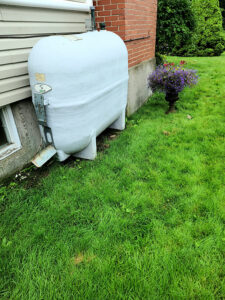
 If you’re lucky enough to be living in beautiful Nova Scotia, you’re no stranger to the vital role heating oil storage tanks play in your home, especially during the chilly winter months. One of the frequently asked questions we encounter from customers like you is, “When should I replace my heating oil storage tank?” It’s a crucial question, and in this blog post, we will walk you through the factors you need to consider.
First and foremost, consider the condition of the tank. An oil tank’s lifespan typically falls between 15-20 years, although this can vary based on the material and conditions it’s exposed to. Rust, visible dents, and signs of oil leakage are clear red flags indicating your tank may need replacing. However, not all damage is visible to the untrained eye. It’s crucial to have your oil tank professionally inspected annually to identify any issues before they escalate.
Insurance companies often have specific requirements for oil tanks. For instance, many insurers won’t cover homes with tanks that are over a certain age, sometimes as little as 10 years old. Be sure to check with your insurance provider about their specific rules regarding oil tank age and condition, to avoid any coverage problems down the line.
The material of your oil tank also impacts its longevity. Steel tanks, although cost-effective and robust, are prone to rust and may require replacement sooner. On the other hand, double-lined or fiberglass tanks are more resistant to corrosion and leaks but come with a higher initial cost. The choice often boils down to the trade-off between upfront cost and potential longevity of the tank.
Climate plays a significant role too. In Nova Scotia, our salty air, coupled with cold, damp winters, can accelerate corrosion, especially for outdoor tanks. Tanks exposed to these harsh conditions may need replacing sooner than those in more sheltered locations.
Finally, the risk of an oil leak should not be underestimated. A leak could lead to environmental damage, hefty cleanup costs, and a potentially uninsurable home. Regular maintenance checks and timely replacement can help mitigate this risk.
To summarize, while there’s no one-size-fits-all answer, factors like your tank’s condition, insurance requirements, tank material, local climate, and risk of leaks should guide your decision. Remember, proactive maintenance and replacement of your heating oil storage tank is not only a wise financial decision, but it also helps ensure the comfort and safety of your home during our long winters.
At Scotia Fuels, we understand the complexities of heating oil tank maintenance and replacement. As a long-time family-owned business, we’re committed to providing full service for your home heating needs. Feel free to contact us for a consultation on your tank’s condition or any other home heating inquiries by going to our website at https://scotiafuels.com/contact-us/, or even better, by calling us at 902-453-2121.