

As summer reaches its peak, the rising temperatures often bring with them increased humidity levels. Many experts believe the ideal humidity levels for maintaining a comfortable and healthy home environment range between 40% and 60%. High humidity can affect your home in various ways, from impacting air quality to causing damage to your property. Here’s what you need to know about humidity and some practical tips to help you mitigate its effects.
 The Effects of High Humidity
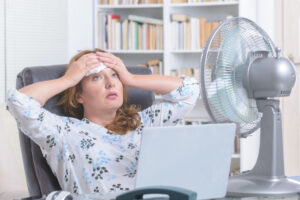
- Comfort Levels: High humidity can make your home feel much hotter than it is. This is because the excess moisture in the air makes it harder for sweat to evaporate, leading to that sticky, uncomfortable feeling.
- Air Quality: Excess moisture in the air can promote the growth of mould, mildew, and dust mites, all of which can aggravate allergies and respiratory issues. Poor air quality can affect everyone in your home, especially those with existing health conditions.
- Structural Damage: Over time, high humidity can cause damage to your home’s structure. Wooden floors, doors, and furniture can warp, while paint and wallpaper may peel. Excess moisture can also lead to rust and corrosion in metal fixtures.
- Efficiency of Cooling Systems: High humidity forces your air conditioning system to work harder to maintain a comfortable temperature, leading to increased energy consumption and higher utility bills.
Tips to Control Humidity Levels
- Use Dehumidifiers: Dehumidifiers are an effective way to reduce indoor humidity levels. Place them in areas that are prone to moisture buildup, such as basements, bathrooms, and kitchens.
- Ventilation: Ensure your home is well-ventilated by using exhaust fans in bathrooms and kitchens. Opening windows and doors when the outside air is less humid can also help improve ventilation.
- Air Conditioning Maintenance: Regular maintenance of your air conditioning system ensures it runs efficiently. Clean or replace filters regularly to keep the system operating at its best. An efficient AC system can effectively reduce indoor humidity.
- Seal Leaks: Inspect your home for any leaks or cracks where moisture can enter. Seal windows, doors, and any openings to prevent humid air from getting inside.
- Limit Indoor Plants: While plants can improve air quality, too many can increase humidity levels. Opt for a few low-maintenance plants that don’t require frequent watering.
- Dry Clothes Outside Whenever possible, dry your clothes outside instead of using an indoor dryer. This helps prevent additional moisture from accumulating inside your home.
Conclusion
Managing humidity levels in your home is essential for maintaining comfort, health, and the longevity of your property. By implementing these practical tips, you can effectively control humidity and create a more pleasant living environment during the summer months. At Scotia Fuels, we’re committed to helping you keep your home comfortable and safe. For more advice on home maintenance and efficiency, feel free to reach out to our team. Not yet a customer of Scotia Fuels? Feel free to contact us at https://scotiafuels.com/contact-us/, or better still, give us a call at 902-453-2121.