

 Late summer and early fall can bring some unpredictable weather to Nova Scotia. Tropical storms, hurricanes and powerful nor’easters can affect HRM at this time of year — although, thankfully, they certainly don’t arrive every season.
Like everyone else, we hope the Halifax area manages to dodge the worst of the severe weather this year, or at least see any storms that do come our way weaken before they arrive.
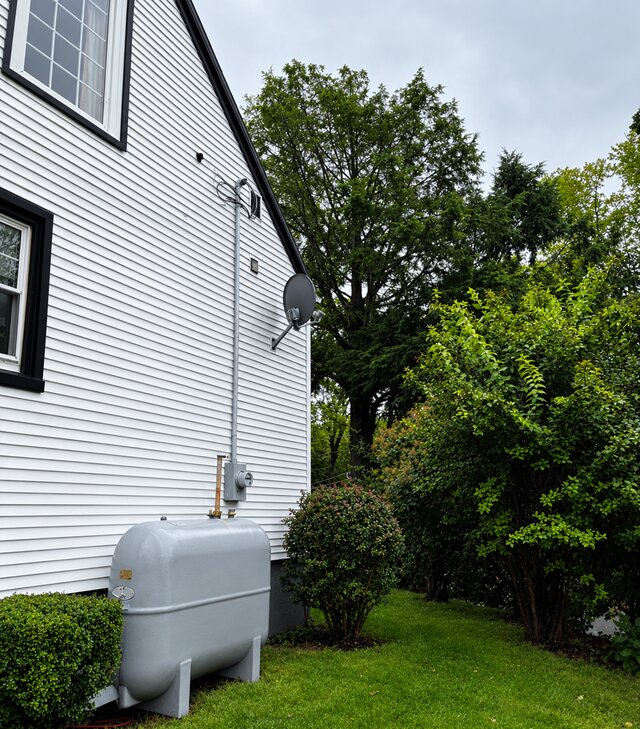
Still, this is a good time of year for a little sensible preparation. If your home is heated with oil, spending a few minutes around your outdoor oil tank and heating system can help ensure you are ready if strong winds and heavy rain do make an appearance.
No home can be completely “storm-proof,” of course. But these simple checks are a good place to start.
- Give the tank area a clear look
Walk around your outdoor tank and make sure you can see the tank, its base and the area immediately surrounding it.
Trim back long grass, shrubs or branches that are touching or crowding the tank. Remove loose lawn furniture, planters, garbage bins and other nearby items that could be blown around if winds become strong.
- Check the base and drainage
Your tank should be sitting securely on a solid, stable base. Look for any obvious settling, shifting or deterioration.
Heavy rain can also cause trouble in low-lying areas, so make sure water can drain away rather than collecting around the tank. If you already know that area of your property tends to hold water, it is worth keeping an extra eye on it during periods of prolonged rain.
- Take a look at fill and vent pipes
Your fill and vent pipes should be visible and accessible. Check for branches, vegetation or other obstructions around them.
It is also worth looking at your delivery route. A little trimming now can make access easier for your oil delivery driver — during ordinary fall weather as well as after a storm.
- Look over visible oil lines
Without moving or disconnecting anything, take a quick look at any exposed portions of the oil line. Watch for obvious damage, movement, or anything nearby that could strike or put pressure on the line during high winds.
- Check your fuel level ahead of bad weather
If significant weather does appear in the forecast, check your tank gauge before it arrives. Roads, power outages and storm conditions can all affect normal routines, so having adequate fuel beforehand is one less thing to think about.
Customers on Automatic Delivery program have one less task to manage — Scotia Fuels looks after the normal delivery schedule based on estimated usage.
- Once the weather passes, take another look
Hopefully, any storms that reach HRM this season will amount to little more than some wind and rain.
If we do get a stronger system, once conditions are safe, take a quick walk around your tank. Look for fallen branches, shifted equipment, unusual staining, visible damage or anything that appears different than it did beforehand.
Most of the time, everything will be exactly where you left it.
A Little Preparation — Just in Case
None of us knows exactly what the weather will bring over the next couple of months, and hopefully HRM will enjoy a relatively quiet storm season.
Spending a few minutes checking your outdoor tank, clearing the surrounding area, and keeping an eye on your fuel level is an easy bit of fall preparation — just in case Mother Nature has other plans.
Remember, if you have any questions about your oil tank, heating system, or storm readiness, the Scotia Fuels team is always happy to help point you in the right direction. Leave us a note at https://scotiafuels.com/contact-us/, or better yet, give us a call at 902-453-2121. We’d love to talk with you.